Richmond Park
Academy
Courses for children
- A Beginners level English A1 A2
Children and Young Learners
Pre A1 Starters, A1 Movers and A2 Flyers
A fun and supportive pathway for children taking their first steps in English. These courses help young learners build confidence in listening, speaking, reading and writing through familiar topics, clear milestones and enjoyable classroom activities. Each stage prepares students for the next Cambridge level and helps them become comfortable with the exam experience.
Pre A 1 Starters
Overview
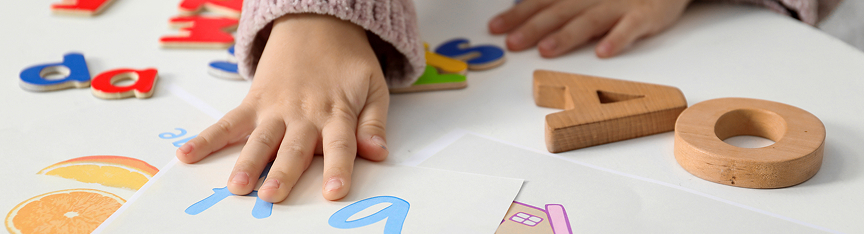
Pre A1 Starters is the first of the three young learner qualifications. It is the earliest stage and focuses on very basic language recognition and production: understanding simple instructions, naming familiar people and things, describing objects and animals in very simple ways, following very short stories, spelling simple words, copying words and short sentences, and responding to very simple questions. Cambridge places it at CEFR Pre A1.

Curriculum details
A Pre A1 Starters course focuses on building confidence through very familiar, everyday English. Learners develop the ability to understand simple instructions, questions and descriptions, recognise and use basic vocabulary for people, animals and everyday objects, follow very short stories, and begin early literacy skills such as recognising the alphabet, spelling simple words, and copying words, phrases and short sentences. The course should develop all four skills, but at this stage the emphasis is on listening carefully, responding simply, and becoming comfortable with English in a supportive, activity-based setting.
A1 Movers

A1 Movers Overview
A1 Movers is the second stage and represents a clear step up from Starters. At this level, children move from isolated words and very short responses towards simple connected communication. A1 Movers helps children understand very simple dialogue and descriptions, express agreement and disagreement with short phrases, ask simple questions, read short factual texts, signs and notices, write short simple phrases and sentences, give simple descriptions of objects, pictures and actions, and tell a very simple story with picture support. Cambridge places it at CEFR A1.

Curriculum details
An A1 Movers course builds on that foundation and develops children towards simple, more independent communication. Learners practise understanding very simple dialogues and descriptions, reading short factual texts, signs and notices, asking and answering simple questions, giving simple descriptions of pictures and actions, and writing short phrases and sentences, including personal information and likes or dislikes. Learners at this level begin to understand simple stories with picture support and tell a very simple story from pictures, so the curriculum should include guided speaking and writing tasks that move beyond single words into short connected language.

Progress is the curriculum focus
Our young learner courses follow the Cambridge approach, developing listening, speaking, reading and writing through familiar topics, enjoyable activities and clear step-by-step progression. At Pre A1 Starters, the focus is on confidence, core vocabulary and very simple communication. At A1 Movers, children begin to read, write and speak with greater independence and accuracy.
A2 Level - the next stage!

Curriculum overview
A2 Flyers is the final stage of the Cambridge Young Learners pathway. At this level, children develop greater independence in English, working with longer texts, fuller written answers and more confident spoken communication. It is an important bridge between the Young Learners exams and the next Cambridge stage for school-age learners
A2 Flyers is the third young learner qualification, after Starters and Movers. Like the earlier levels, it is built around familiar topics and develops listening, speaking, reading and writing, but it represents a further step towards independent use of English.
The young learner exams are a progressive sequence, where each level builds on the previous one and gives children clear milestones and next steps.
This is the stage where children begin to use English with more confidence, range and control. It builds on the simple sentence-level communication of Movers and moves children towards handling longer texts, fuller written responses and more sustained spoken interaction. The curriculum focuses on helping learners understand more extended spoken and written English, respond more independently, and express themselves in clearer, fuller language across all four skills.

A2 Key School for school age kids, young learners and teens
A2 Key for Schools is a qualification that shows learners can communicate in simple situations and is for learners of school age.
This is a strong foundation course for learners who are ready to use English in simple everyday situations. At this level, students learn to understand basic phrases, read simple texts, introduce themselves clearly and interact at a basic level in spoken English. This is an excellent first Cambridge qualification for teenagers and adults.
The exams test all four English language skills – reading, writing, listening and speaking.
Curriculum overview
The curriculum at this level can be best understood and described as a transition from the colourful, activity-based young learner route into more formal academic and exam-focused English, while still remaining suitable for school-age learners.
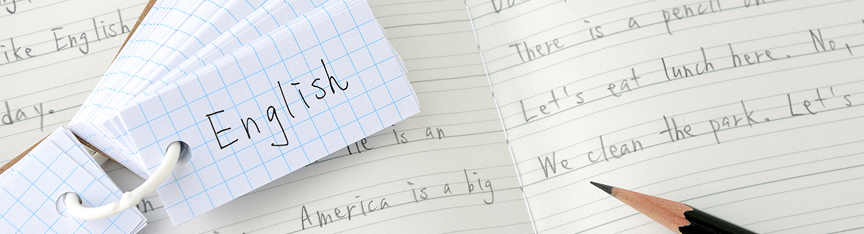
In reading and writing, learners must work with short texts such as signs, messages and simple informational texts, complete vocabulary and grammar tasks in context, write a short message or email, and produce a short story from picture prompts. In listening, learners understand slow, clear spoken English in everyday situations. In speaking, they answer and ask simple questions in a face-to-face test.
So the curriculum emphasis is summarised as:
- practical understanding of basic written English
- short functional writing
- simple, accurate communication in familiar situations
- confidence in handling the first more formal Cambridge exam for school-age learners.