Primary at Richmond Park School
Year 3 - LOWER Key Stage 2 (Ages 7–8)
Building Independence and Discovery
Year 3 marks the beginning of an inspiring new chapter. Children step into Lower Key Stage 2 with growing independence, curiosity, and confidence, ready to explore the world in deeper and more meaningful ways.
They dive into captivating topics such as the Stone Age, the Romans, and Extreme Environments, bringing history and geography to life through creative projects, art, research, and real‑world experiences. This blend of structure and creativity strengthens their reading, writing, and mathematics skills while encouraging critical thinking, teamwork, and personal responsibility.
By the end of Year 3, pupils are motivated, independent learners — excited and well‑prepared for the discoveries that await them in Year 4.
“In Year 3, learning becomes an adventure — full of curiosity, creativity, and confidence.”
— LKS2 Team
Exploring, Creating, and Becoming Independent
Year 3 is a transformative stage where children build on the strong foundations of Key Stage 1 and take their next steps as confident, reflective learners. At this age, pupils are encouraged to explore boldly, question thoughtfully, and take increasing ownership of their learning — all within a nurturing, supportive environment.
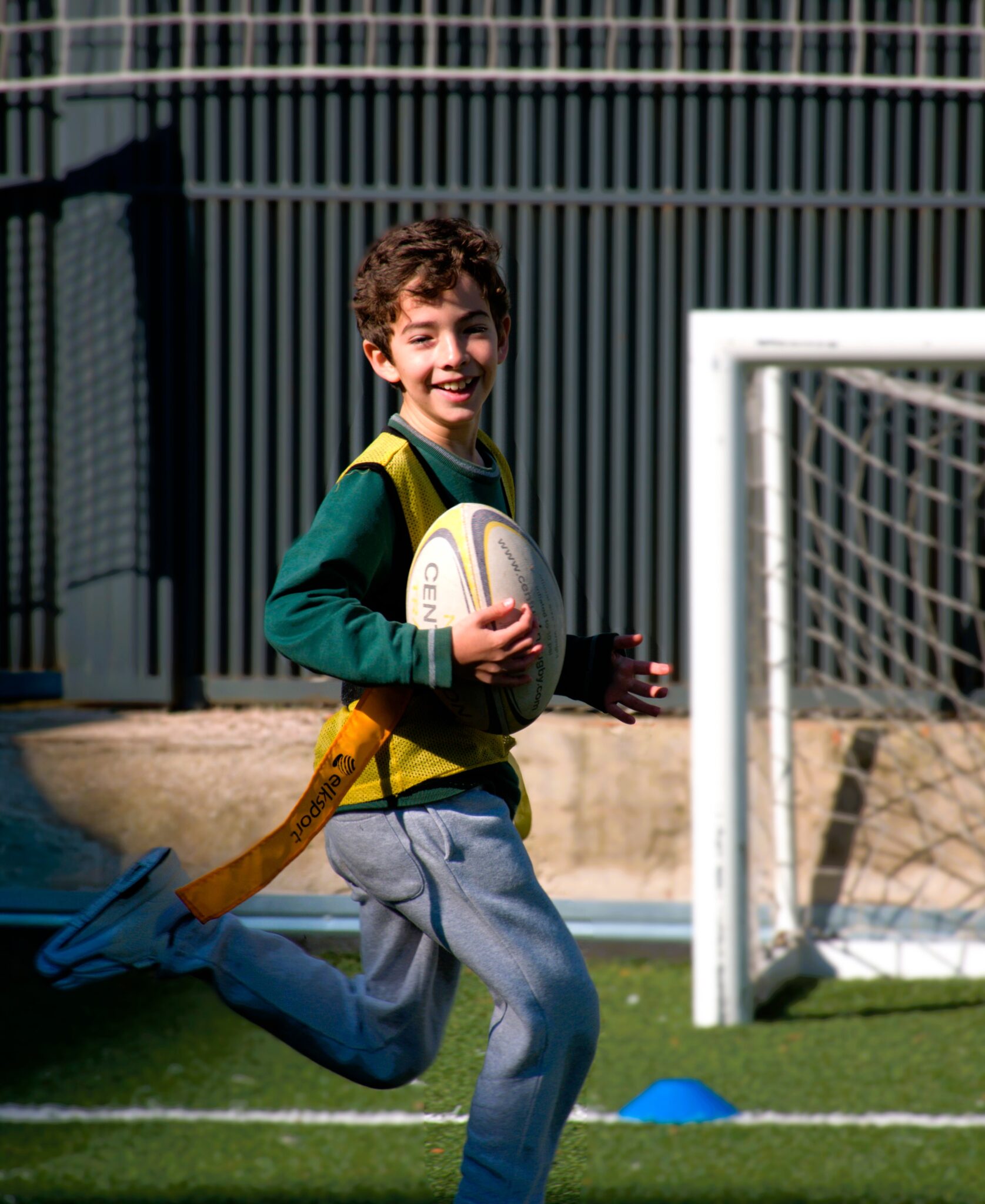
“Year 3 is all about discovery — discovering new knowledge, new skills, and the confidence to learn independently.”
— LKS2 Team
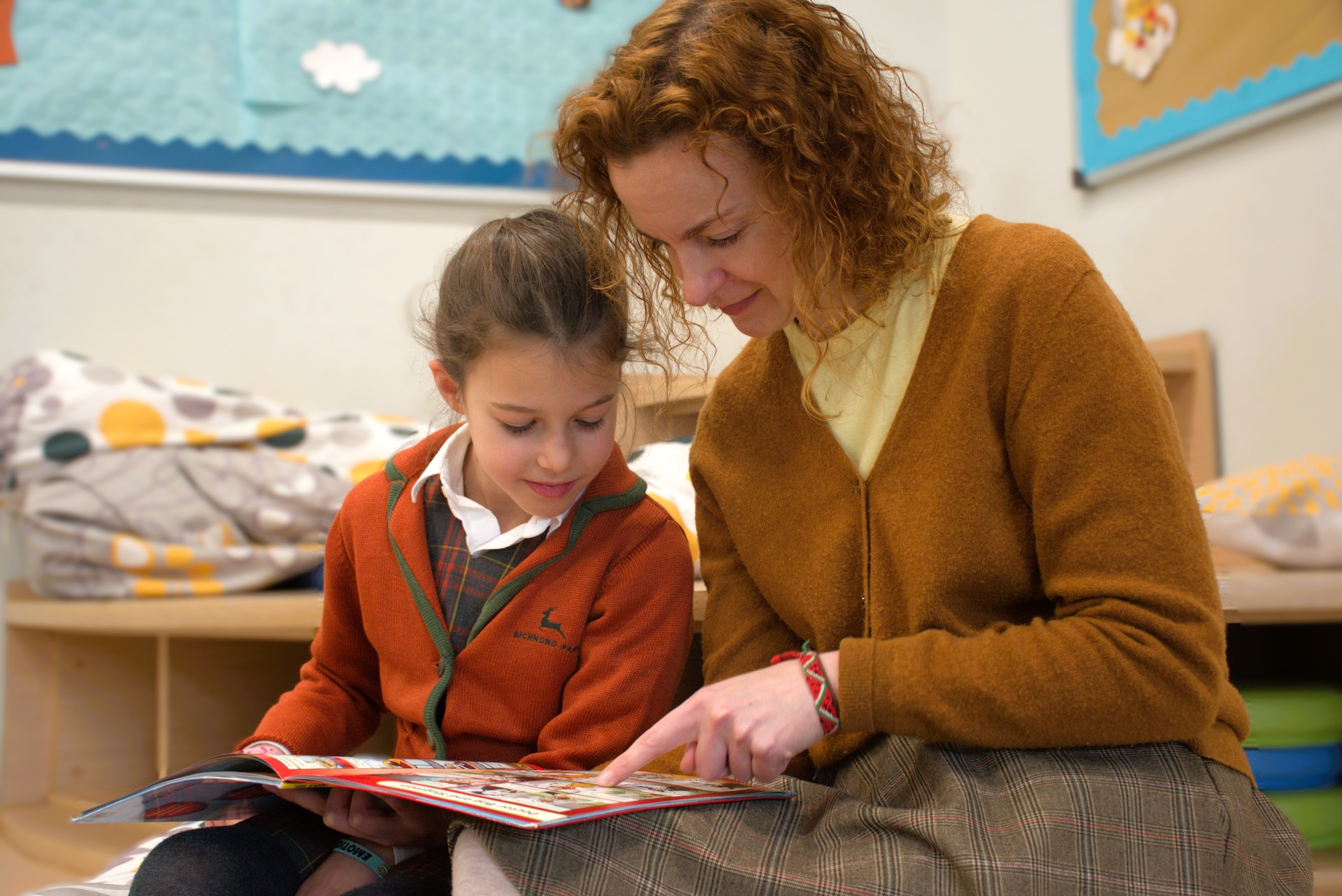
Learning in Year 3
Learning becomes more structured while remaining creative, engaging, and full of opportunities for hands‑on discovery. Children are encouraged to:
- Think critically and solve problems
- Work collaboratively with peers
- Apply their growing knowledge to real‑life situations
Our differentiated teaching approach ensures that every child is appropriately challenged and supported — whether through whole‑class instruction, small‑group activities, or personalised guidance.
The focus of the year: Building independence, responsibility, and resilience — the essential qualities that empower children to thrive.
Curriculum Overview
In Year 3, children deepen their mastery of language, expression, and communication through a vibrant and inspiring English curriculum. They explore:
- Fiction Writing – crafting vivid settings, developing memorable characters, and creating imaginative alternative endings.
- Non‑Fiction – producing persuasive letters and news‑style broadcasts using iPads to enhance digital literacy.
- Performance Poetry – experimenting with rhythm, tone, and expression to build confidence and creativity.
- Guided Reading –– strengthening comprehension, vocabulary, and inference skills through rich, engaging texts.
- Grammar Focus – refining their use of adjectives, fronted adverbials, and accurate punctuation, including inverted commas.
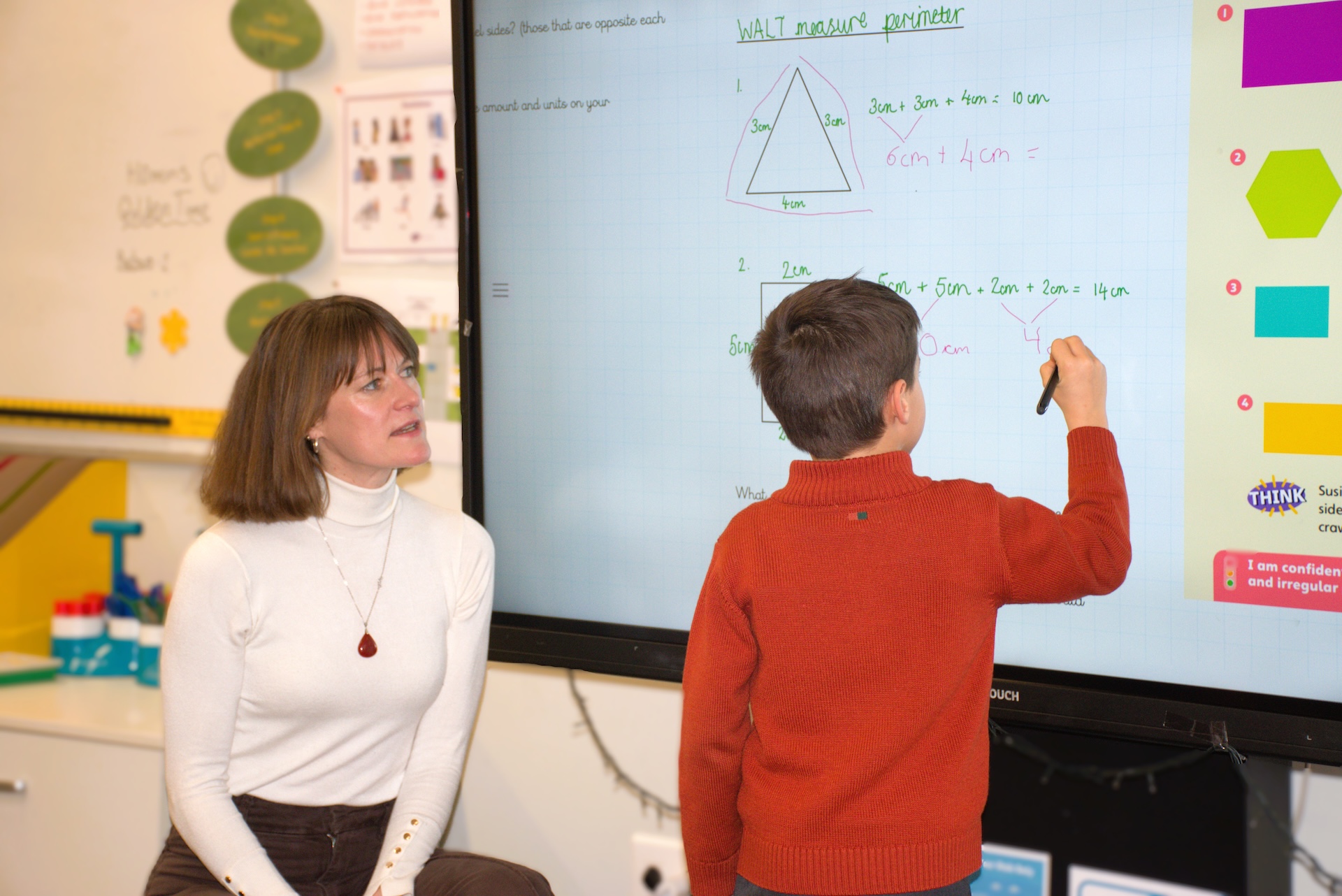
Maths in Year 3 emphasises fluency, reasoning, and real‑world problem‑solving. Key learning includes:
- Place value, ordering, and rounding numbers up to 1,000
- Addition and subtraction using 2‑ and 3‑digit numbers
- Multiplication and division (2, 3, 4, 5, 8, and 10 times tables)
- Time and measurement (length and capacity)
- Fractions and 3D shape properties
Children learn to explain their thinking, estimate answers, and solve problems using visual, practical, and interactive methods.
Hands‑on scientific exploration helps children understand the world around them through exciting topics such as:
- Light and Dark – how light enables us to see, reflection, and shadow formation
- Plants – life cycles, water transport, and pollination
- Rocks and Magnets – classifying rocks and exploring magnetic forces
- Animals (including Humans) – nutrition, skeletons, and movement
- Birds – habitats, adaptation, and observation skills
Learning comes to life through immersive topic work that sparks curiosity and global awareness:
- The Stone Age – discovering how early humans lived, created, and evolved
- The Romans – exploring Roman Britain, soldiers, inventions, and cultural impact
- Continents and Countries – revisiting global geography and navigation skills
- Fair Trade & “Bean to Bar” – understanding global trade and how chocolate is made
- Extreme Environments – exploring climate, sustainability, and environmental challenges
Children explore a wide range of artistic techniques and cultural influences, inspired by renowned artists:
- Stone Age cave art
- Seascapes inspired by Turner or Hokusai
- Watercolour plant studies inspired by Georgia O’Keeffe
- Observational sketching and collage
These projects nurture creativity, imagination, and an appreciation for artistic expression across cultures.
Our PSHE curriculum supports emotional wellbeing and personal growth, focusing on:
- Kindness and empathy
- Resilience and a positive mindset
- Citizenship and teamwork
- Diversity and inclusion
- Online safety and body confidence (My Body: My Choice)
Specialist Subjects: Broadening Horizons and Nurturing Talent Music
Children benefit from expert‑led lessons that broaden their skills and passions:
Music
- Reading and writing musical notation
- Singing and playing rhythmic and melodic instruments (recorders and glockenspiels)
- Performing in small ensembles and community events
Computing
- Systems and networks, media creation, and programming
- Online safety and responsible digital citizenship
- Stop‑frame animation and digital creativity
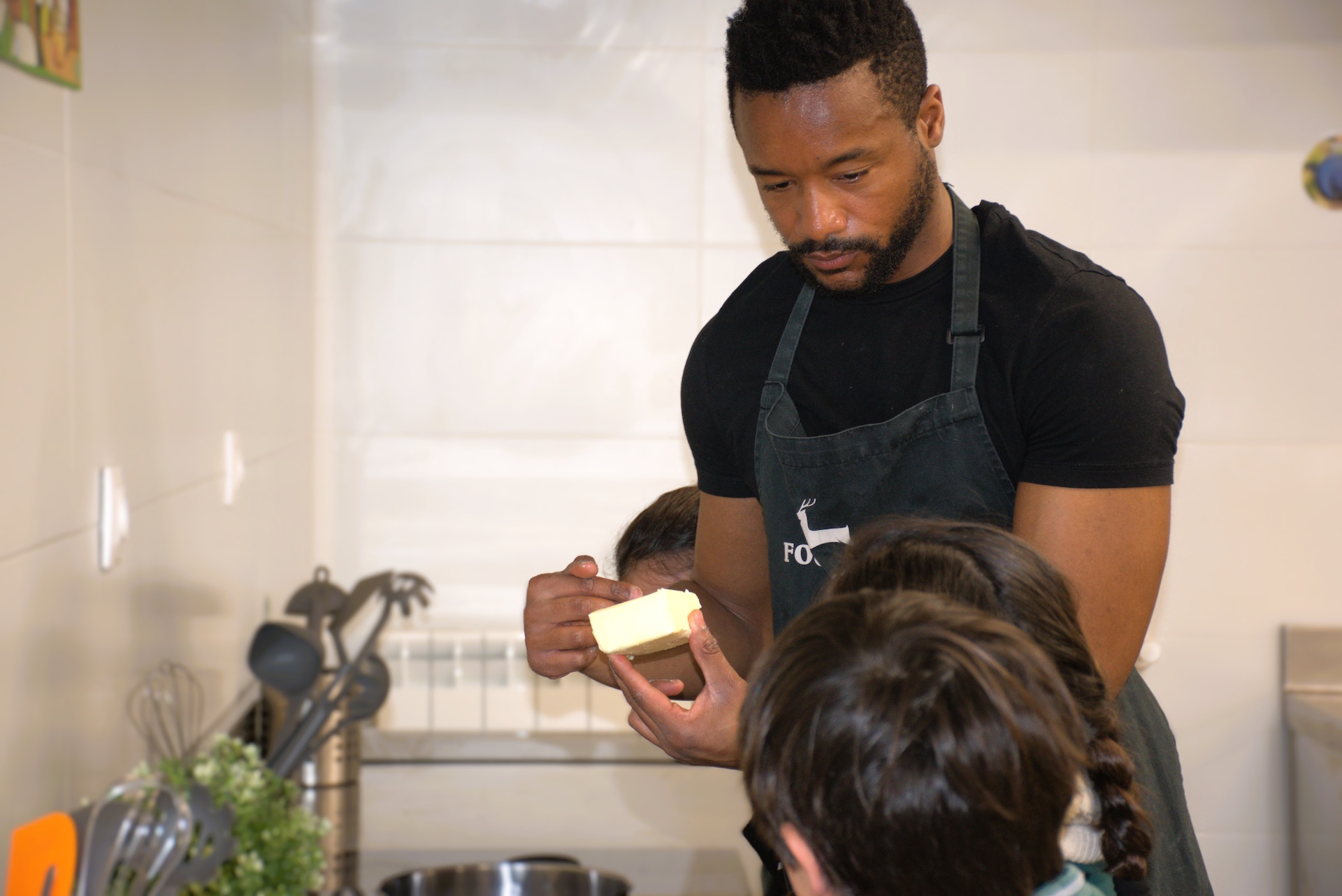
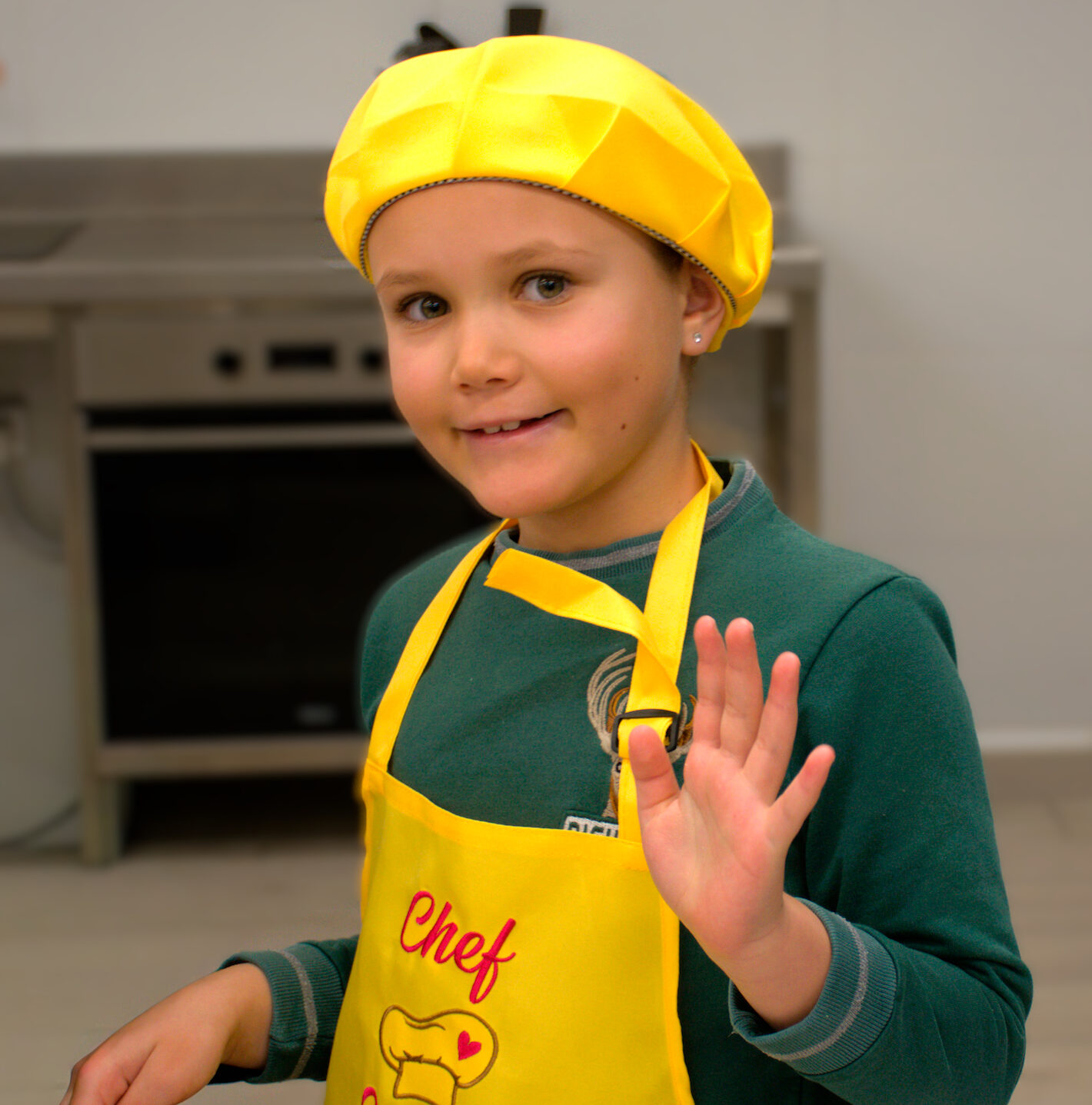
Food Technology
- Basic preparation and hygiene
- Nutrition and healthy eating
- Exploring cultural diversity through food
Physical Education & Swimming
- Coordination, agility, and teamwork through gymnastics, dance, and games
- Ball skills: football, basketball, athletics
- Swimming each term, focusing on water confidence and technique
Spanish
- Development of oral expression and creative writing through topics such as the history of Madrid or great explorers like Christopher Columbus and Marco Polo
- Reading different types of texts while working on comprehension and vocabulary
- Introduction to the basic concepts of Spanish grammar
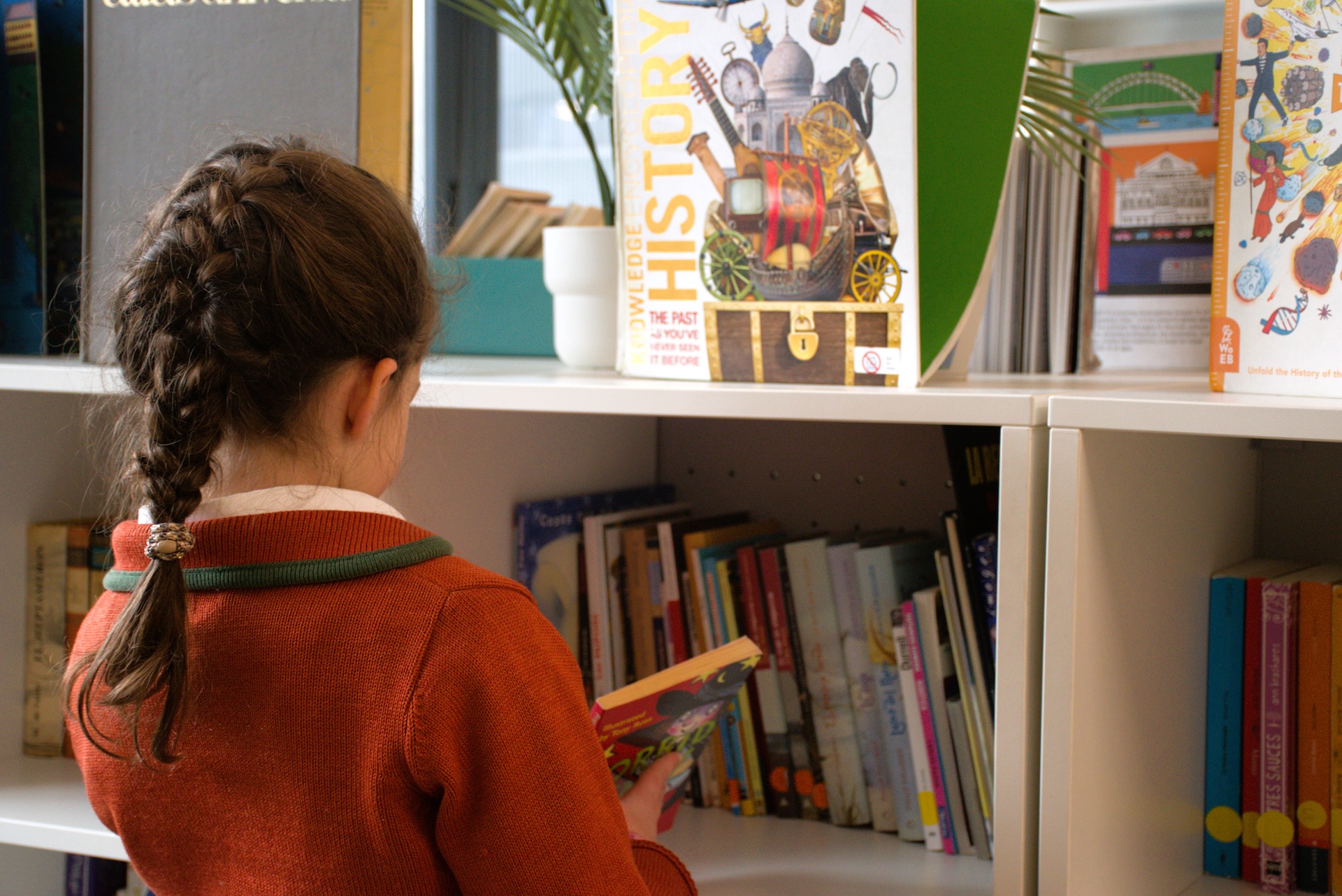
Learning Beyond the Classroom
Each term includes an educational trip designed to extend classroom learning. From historical museums to nature reserves, these experiences help children connect lessons to the real world — deepening understanding and creating lasting memories. Children learn best when they can see, touch, and experience what they’re studying.
Home–School Partnership
A strong partnership with families remains central to our approach. Parents stay informed through:
- Class Dojo – for daily communication
- Curriculum Letters – outlining each term’s focus
- Parents Booking – for online meetings and extracurricular sign‑ups
- Reports – for reports and key information
Children take home reading books, weekly spellings, and extended learning activities to reinforce classroom learning.
Celebrating Achievement
We believe in recognising effort, progress, and positive behaviour. Success is celebrated through:
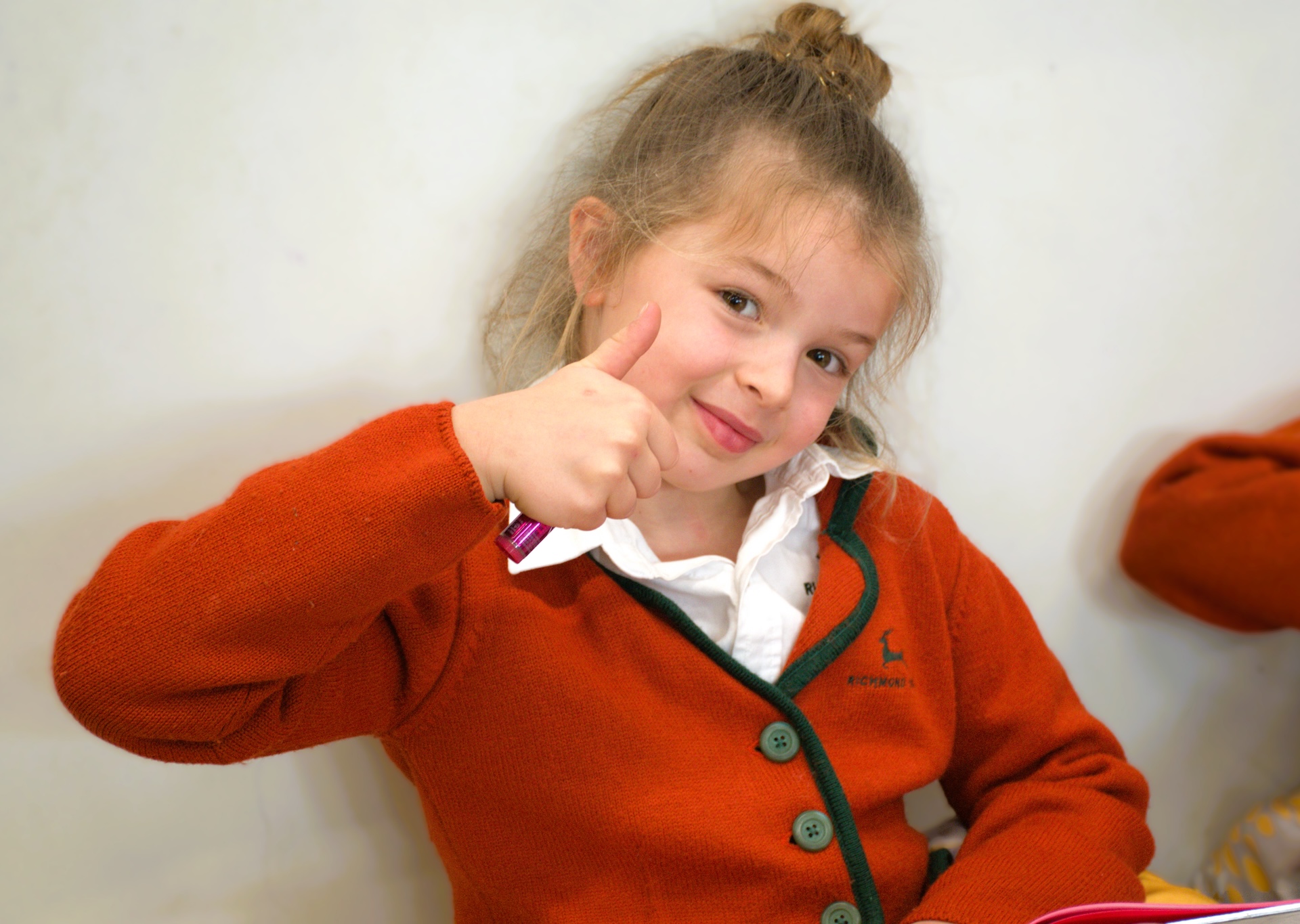
- Star of the Week certificates
- House Points for effort, behaviour, and teamwork
- Golden Time as a class reward
These celebrations inspire confidence, motivation, and pride in every learner.
Ready for Year 4
By the end of Year 3, children have developed independence, curiosity, and a genuine love of learning. They move into Year 4 ready to explore more complex ideas — confident, capable, and eager for the next challenge.
Book a visit or contact us
We’d love to welcome you to Richmond Park School. Schedule your visit today!
