Primary at Richmond Park School
Lengua y Cultura Española en Primaria
Celebrando la Lengua, la Cultura y la Identidad
At Richmond Park School, Lengua y Cultura Española is a vital part of our Primary curriculum — nurturing bilingualism, cultural appreciation, and communication skills.
All pupils from Year 1 to Year 6 receive six sessions of Spanish Language and Culture, following the Spanish National Curriculum while integrating the innovative, active learning approach that defines Richmond Park School.
“Our goal is to foster a deep love for the Spanish language and culture — blending academic rigour with creativity, identity, and joy in learning.”
— Spanish Team
Our Spanish Department
The Lengua y Cultura Española department is led by Ms Carolina Martínez, Director of Spanish Curriculum, supported by a team of specialist teachers who bring language and culture to life in every classroom.
The team works collaboratively to ensure all pupils experience the Joy in Learning — developing strong Spanish foundations and a deep appreciation for Spain’s rich heritage.
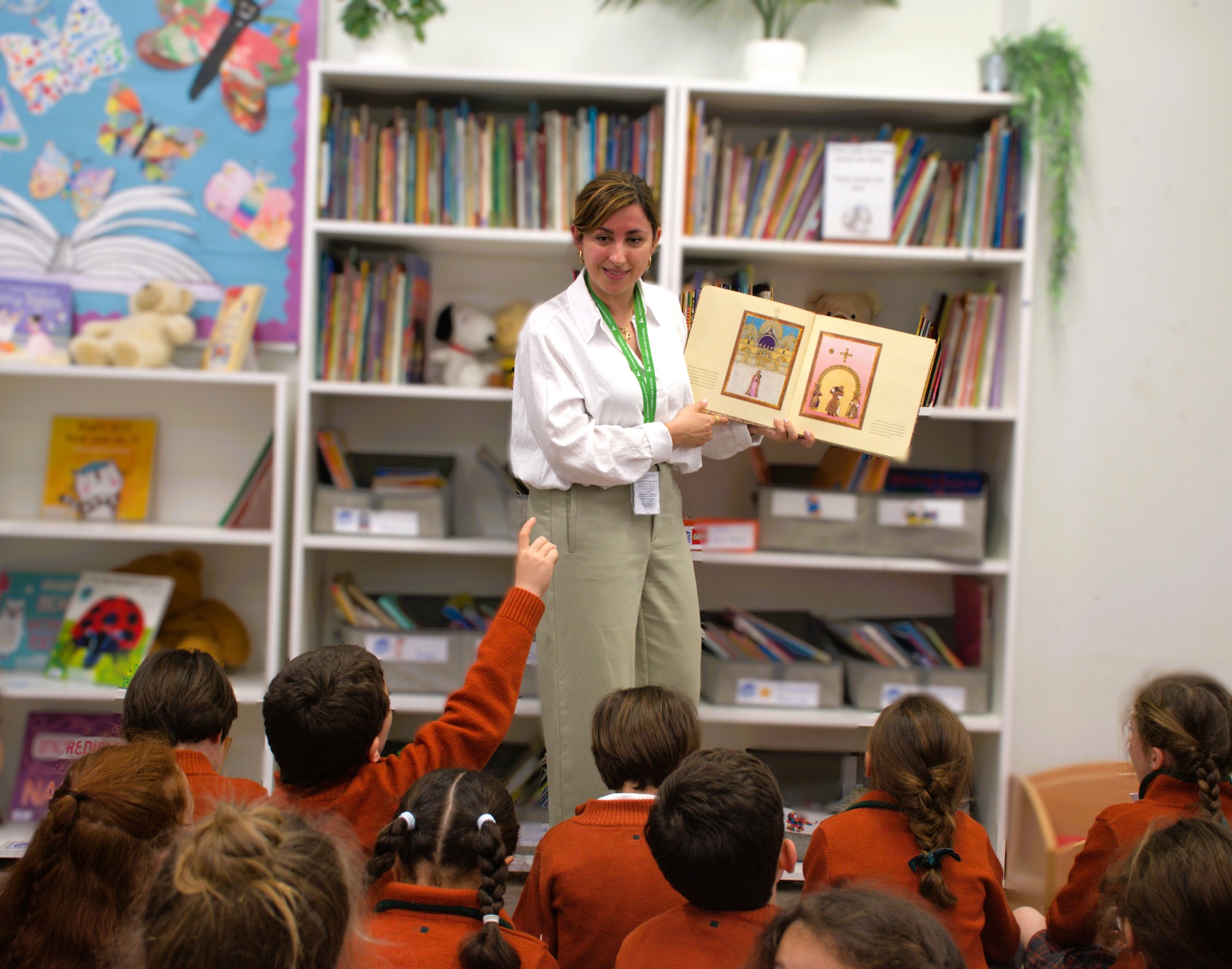
“At Richmond Park School, Spanish is not just a subject — it’s a living language that connects our pupils to the world, their culture, and themselves.”
— Spanish Team
Lengua y Cultura Española
Celebrating Language and Identity
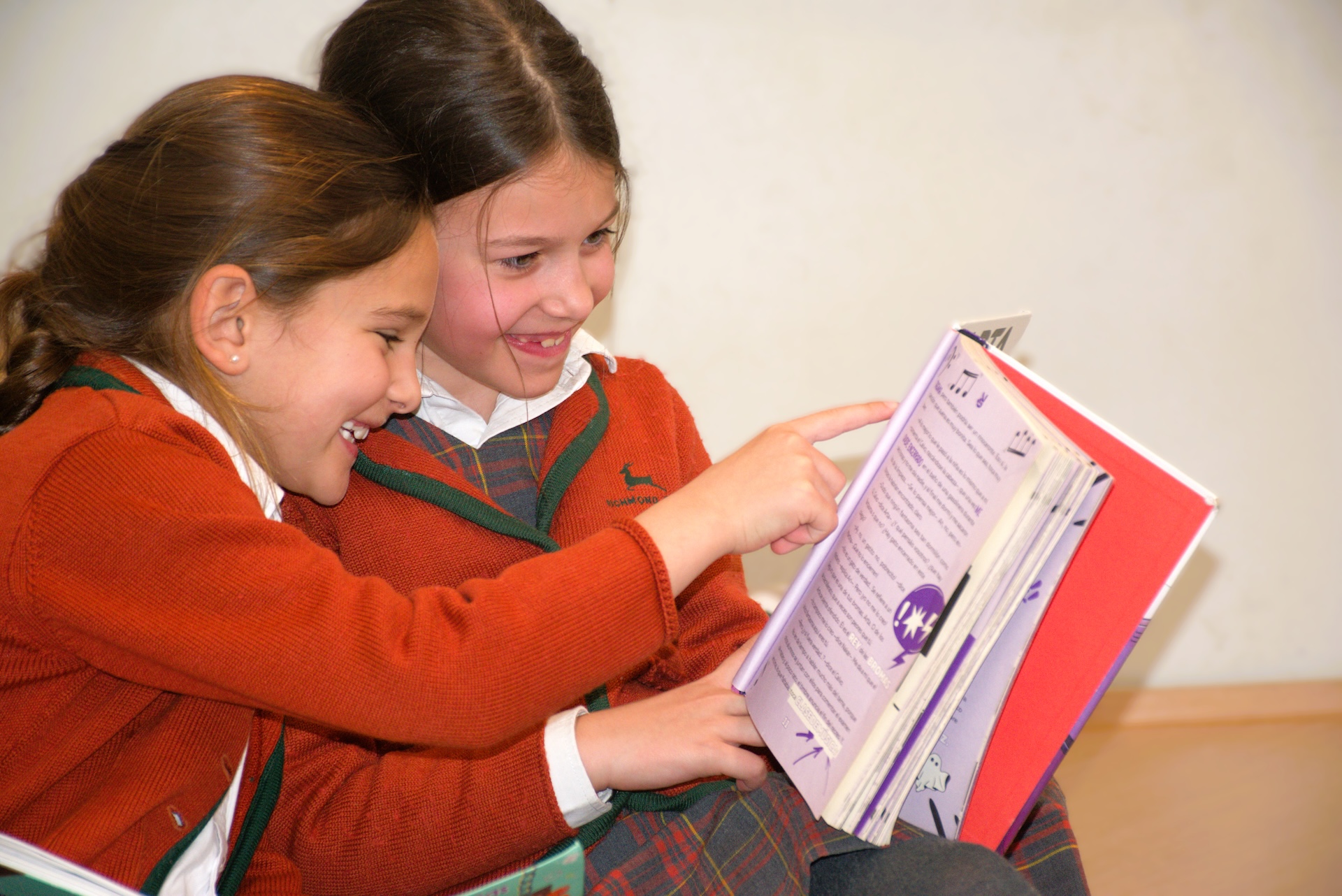
At Richmond Park School, pupils enjoy a rich and engaging Spanish Language and Culture programme from Year 1 to Year 6, following the Spanish National Curriculum within our bilingual environment.
Through reading, writing, speaking, and cultural exploration, children develop confidence and pride in their language while deepening their understanding of Spain’s heritage and global connections.
Every lesson reflects our motto — Joy in Learning — as pupils discover the beauty, rhythm, and creativity of the Spanish language.
“Spanish at Richmond Park School is more than a subject — it’s a celebration of language, culture, and identity.”
— Spanish Team
Our Vision and Approach
The Spanish Primary Curriculum at Richmond Park School combines the best of both educational systems — the depth and structure of the Spanish National Curriculum with the flexibility and inquiry-based methods of the British framework.
Through language, literature, geography, and social studies, pupils explore Spain’s rich cultural heritage and its place in the wider world. Learning is always interactive and experiential — involving discussion, performance, reading, writing, and creative expression.
We aim for our pupils to become confident communicators and culturally aware learners.
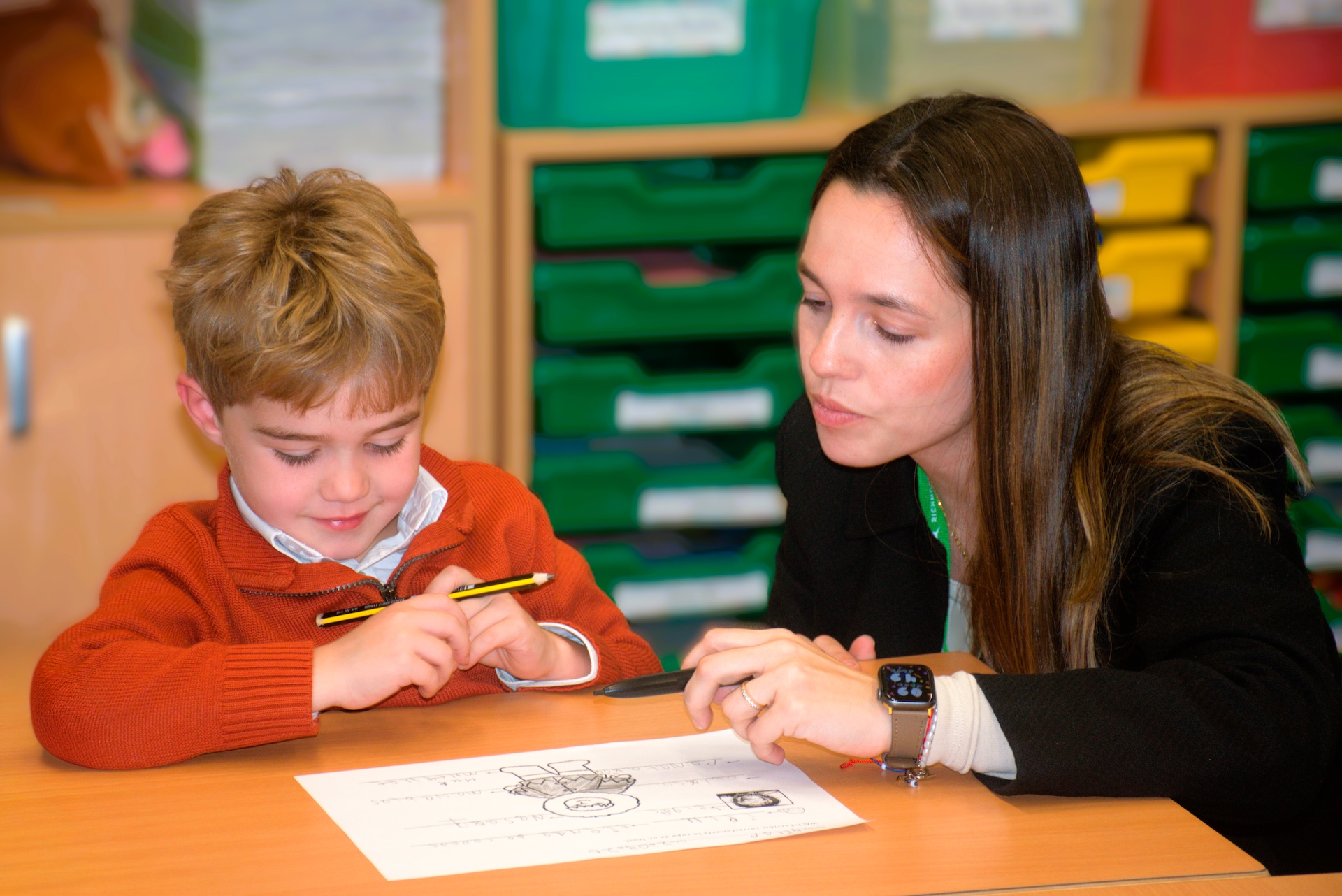
Teaching and Methodology
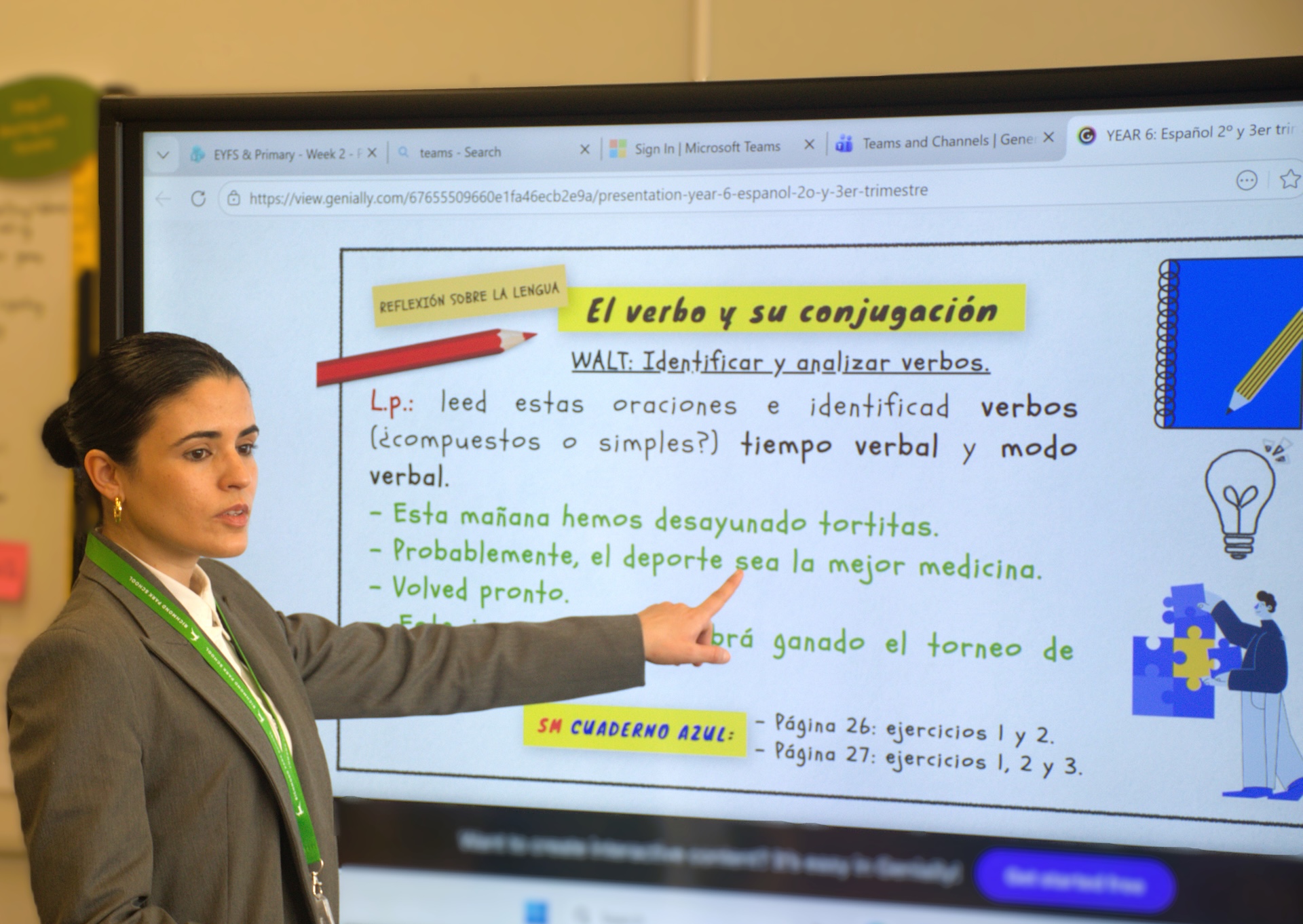
The teaching of Lengua y Cultura Española follows the same Assessment for Learning (AfL) principles used across the school, ensuring continuous feedback and personalised progress.
Lessons include:
- Grammar and spelling for clear, accurate expression
- Reading comprehension and vocabulary building
- Creative and functional writing (letters, stories, news reports, debates)
- Oral communication through presentations, storytelling, and discussion
- Cultural studies including Spanish traditions, history, and geography
The department uses the Letrilandia programme for early literacy in Year 1, progressing to deeper grammar, writing, and literature study in Key Stage 1 and Key Stage 2 .
Curriculum Overview
Key Stage 1 (Years 1 & 2)
Children begin their Spanish journey through phonics, vocabulary, and simple grammar, supported by storytelling, songs, and games.
They explore topics connected to their world — such as seasons, family, animals, and celebrations — and learn early literacy introducing letters, syllables, and sounds.
They also celebrate cultural traditions like San Isidro and Navidad en España, connecting language learning with culture.
“Learning Spanish in Key Stage 1 is fun, active, and full of discovery — children begin to see language as a living part of their identity.”
— Spanish Team
Lower Key Stage 2 (Years 3 & 4)
As pupils move into Year 3 and Year 4, they build on their foundational language skills and begin to explore Spain’s geography, history, and legends.
Through creative writing, oral presentations, and literary exploration, they study:
- Grammar — nouns, adjectives, and verbs in present and past tenses
- Spelling and punctuation — accent rules, syllables, and word families
- Literature— Spanish legends, poetry, and storytelling
- Cultural topics — Europe, Exploradores, Comunidades de España, Las edades de la Historia and Nuestros Antepasados
The emphasis is on expression, structure, and cultural understanding, helping children connect language to meaning
Upper Key Stage 2 (Years 5 & 6)
In Years 5 and 6, pupils refine their language mastery while exploring deeper cultural and historical contexts.
They study grammar, syntax, and literature in greater depth — learning to write formally, analyse texts, and present ideas confidently.
Key topics include:
- Year 5 — La Prehistoria en la Península Ibérica, La poesía de Bécquer, Miguel de Cervantes
- Year 6 — La Edad Media, Antonio Machado, Diego de Velázquez
Pupils develop fluency in oral and written communication through debates, news writing, interviews, and theatre.
Literature, grammar, and culture are seamlessly integrated to promote critical thinking, creativity, and identity.
“By the end of Year 6, our pupils are confident Spanish learners — able to express themselves clearly and thoughtfully.”
— Spanish Team
Assessment and Communication
Progress is monitored continuously through classwork, oral performance, and formal assessments aligned with Richmond Park School Assessment for Learning principles.
Teachers provide termly feedback and reports, following the same format as the English curriculum, ensuring consistency and clarity for parents.
Parent meetings are held online, while pupils with additional learning needs (ALN) receive in-person support and tailored guidance to ensure progress and confidence in both languages.
Book a visit or contact us
We’d love to welcome you to Richmond Park School. Schedule your visit today!