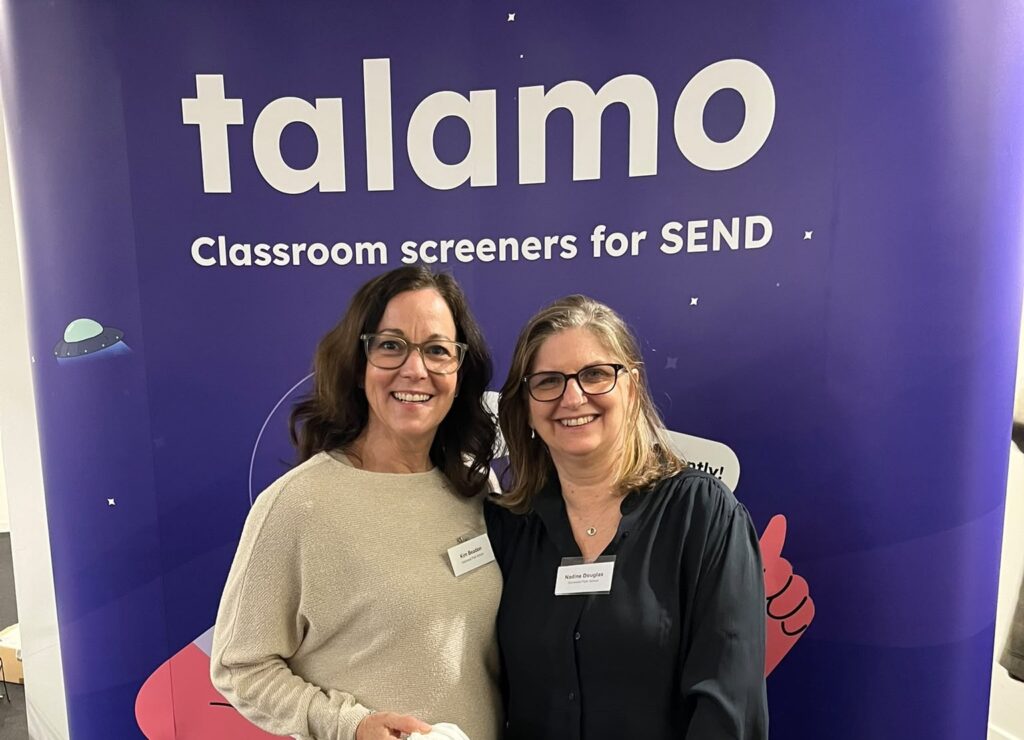
On 10 June 2026, Nadine Douglas and Kim Beadon attended the “We Love Senco” conference, organised by Talamo, an education technology organisation focused on improving early identification and support for learners with SEND/ALN through digital screening and evidence-based tools. The conference provided a valuable opportunity to explore current developments in SEND/ALN, particularly in light of ongoing reforms and the increasing complexity and escalation of learner needs.
A central theme throughout the conference was that inclusion must be embedded as a whole-school responsibility. Effective support for learners with ALN/SEND cannot sit solely within specialist teams; instead, it requires a shared commitment across all staff, including leadership, teaching, and support roles. This whole-school approach ensures that inclusive practice is not an add-on, but an integral part of high-quality teaching and learning in every classroom. Consistency of approach, shared language, and collective accountability were identified as key factors in successfully meeting diverse learner needs.
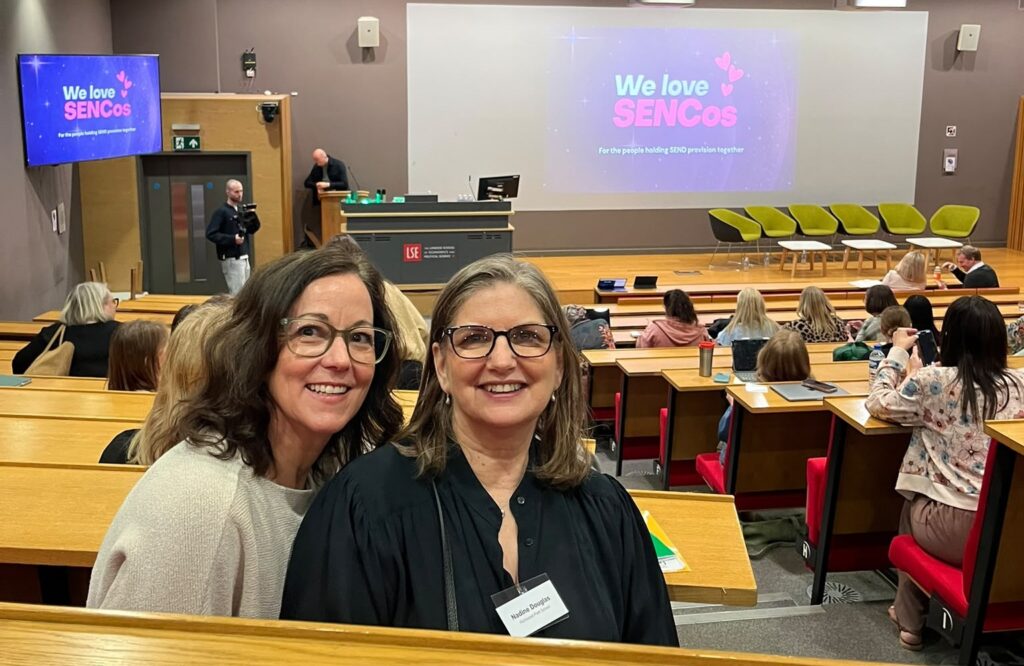
The conference highlighted a range of up-to-date resources, tools, and innovative approaches aimed at supporting implementation of the reforms. Contributions from researchers, app developers, assessment professionals, and SpLD specialists demonstrated how technology, research, and evidence-based practices can enhance both identification and provision. Several pilot schemes were presented, focusing on strengthening inclusive classroom practice, reducing reliance on withdrawal interventions, and equipping teachers with strategies to adapt teaching effectively for all learners.
A strong emphasis was placed on data-driven and research-informed practice. Speakers highlighted the importance of using reliable evidence to inform decision-making, track progress, and evaluate the impact of interventions. In particular, the importance of early identification and timely support was reinforced, with clear links made between unmet needs and negative impacts on learner wellbeing, engagement, and long-term outcomes.
The opportunity to engage with other professionals was particularly valuable. Discussions across settings highlighted that many practitioners are facing similar challenges, including increasing demand, limited resources, and the complexity of implementing reforms at pace. This shared experience reinforced the importance of professional collaboration, reflection, and ongoing dialogue.
Overall, the conference provided a comprehensive overview of the current ALN/SEND landscape, while reinforcing the importance of whole-school, collaborative, and research-informed approaches. It offered practical strategies, reassurance through shared experiences, and a renewed focus on ensuring that all learners receive the support they need at the earliest possible stage, both to improve outcomes and safeguard their wellbeing.